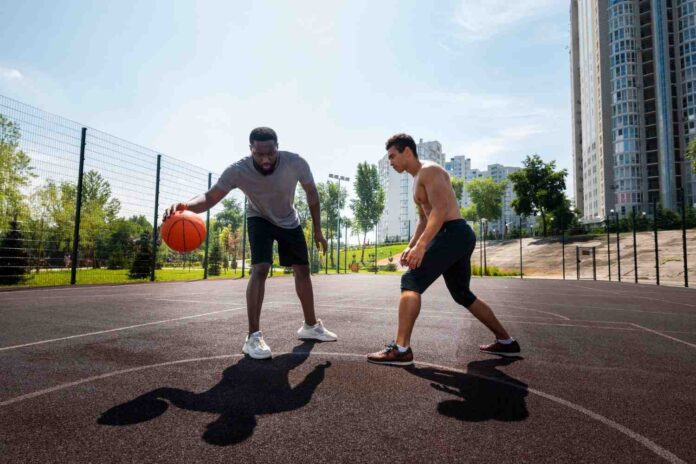
Athletic performance improves through a balanced mix of strength, speed, endurance, mobility, and recovery-focused training. The best exercises target multiple muscle groups, enhance coordination, and build explosive power while reducing injury risk. This guide breaks down the most effective exercises and how to use them for real performance gains.
Whether you’re a beginner athlete or training for competitive sports, the right exercises can significantly boost your speed, strength, and stamina. Let’s break down the most effective training movements that actually make a difference on the field, court, or track.
Why Exercise Selection Matters in Athletic Performance
Not all workouts improve performance equally. Some build muscle size, others improve reaction time, while a few enhance overall movement efficiency.
To become a better athlete, you need exercises that improve:
- Explosive power
- Speed and agility
- Core stability
- Muscular endurance
- Balance and coordination
Training smart—not just hard—is what separates average performance from elite-level conditioning.
Best Strength Exercises for Athletes
Strength is the foundation of all athletic movement. These exercises improve total-body power and injury resistance.
1. Squats (Barbell or Bodyweight)
Squats build lower-body strength, essential for sprinting, jumping, and direction changes.
Pro Tip: Go deeper in your squat range to activate more muscle fibers and improve mobility.
2. Deadlifts
Deadlifts strengthen your posterior chain—hamstrings, glutes, and lower back.
3. Lunges
Lunges improve unilateral strength and balance, which is crucial for sports movements.
Best Speed and Agility Exercises
Speed and agility determine how quickly you react and move in competitive situations.
1. Sprint Intervals
Short bursts of high-speed running improve fast-twitch muscle response.
2. Ladder Drills
These improve footwork, coordination, and reaction speed.
3. Cone Drills (Zig-Zag Runs)
Enhance directional change ability and acceleration control.
Pro Tip: Keep rest short between agility sets to simulate real-game fatigue conditions.
Best Explosive Power Exercises
Explosive power helps athletes jump higher, sprint faster, and react quicker.
1. Box Jumps
Improve lower-body explosiveness and landing control.
2. Medicine Ball Slams
Develop upper-body power and core engagement.
3. Power Cleans
A full-body explosive lift used widely in athletic training programs.
Best Endurance Training Exercises
Endurance ensures you maintain performance throughout the game or match.
1. Long-Distance Running
Builds aerobic capacity and cardiovascular health.
2. HIIT Workouts
High-intensity interval training improves stamina in less time.
3. Cycling or Swimming
Low-impact endurance options that reduce joint stress.
Mobility and Flexibility Exercises
Mobility reduces injury risk and improves movement efficiency.
- Dynamic stretching (before workouts)
- Yoga flows
- Hip openers and shoulder rotations
Pro Tip: Flexible athletes recover faster and perform movements with better control.
Sample Weekly Training Structure
| Day | Focus Area | Example Exercises |
| Monday | Strength | Squats, Deadlifts |
| Tuesday | Speed | Sprint intervals, Ladder drills |
| Wednesday | Recovery | Yoga, Mobility work |
| Thursday | Power | Box jumps, Medicine ball throws |
| Friday | Endurance | HIIT or long run |
| Saturday | Agility | Cone drills, shuttle runs |
| Sunday | Rest | Active recovery |
Common Mistakes to Avoid
- Ignoring recovery days
- Overtraining one muscle group
- Skipping warm-ups
- Poor form during heavy lifts
- Not tracking progress
Consistency and recovery are just as important as training intensity.
FAQs
1. How often should athletes train per week?
Most athletes benefit from 4–6 training sessions per week, depending on intensity and recovery capacity.
2. Can beginners do explosive exercises safely?
Yes, but they should start with basic movements like squats and bodyweight jumps before progressing.
3. How long does it take to improve athletic performance?
Noticeable improvements can occur within 4–8 weeks of consistent training.
4. Is cardio or strength more important for athletes?
Both are important. Strength builds power, while cardio improves endurance and recovery.
5. Should athletes train every day?
No. Rest days are essential for muscle repair and performance improvement.
Improving athletic performance isn’t about doing more exercises—it’s about doing the right ones consistently. A balanced program including strength, speed, agility, endurance, and mobility work creates a complete athlete.
Focus on progression, maintain proper form, and allow your body enough recovery time to adapt and grow stronger.