Modern home design is all about creating spaces that feel stylish, comfortable, and timeless. Choosing the right interior color combinations for modern homes can dramatically improve the appearance of your living spaces while reflecting your personal taste. Whether you’re renovating a single room or designing an entire house, the right color palette can make every space feel balanced and inviting.
Why Color Combinations Matter in Modern Interiors
Colors influence mood, perception, and the overall atmosphere of a room. A carefully selected color scheme can make a small room feel larger, create a relaxing environment, or add a touch of luxury to your home.
Modern interiors typically focus on clean lines, simplicity, and harmonious color palettes. The goal is to create a cohesive look that feels both elegant and functional.
Popular Interior Color Combinations for Modern Homes
1. White and Gray
White and gray remain one of the most popular modern color combinations.
Benefits:
- Creates a clean and sophisticated look
- Makes rooms feel larger
- Works well with various furniture styles
- Easy to accessorize
Design Tip: Add metallic accents or wooden furniture to prevent the space from feeling too cold.
2. Beige and White
For homeowners who prefer warmth over cool tones, beige and white offer a timeless solution.
This combination creates:
- A cozy atmosphere
- Bright and airy spaces
- Natural elegance
It works especially well in living rooms and bedrooms.
3. Navy Blue and White
Navy blue adds depth and character while white keeps the room feeling open and balanced.
| Color Combination | Best Room |
| White & Gray | Living Room |
| Beige & White | Bedroom |
| Navy & White | Dining Room |
| Green & Beige | Family Room |
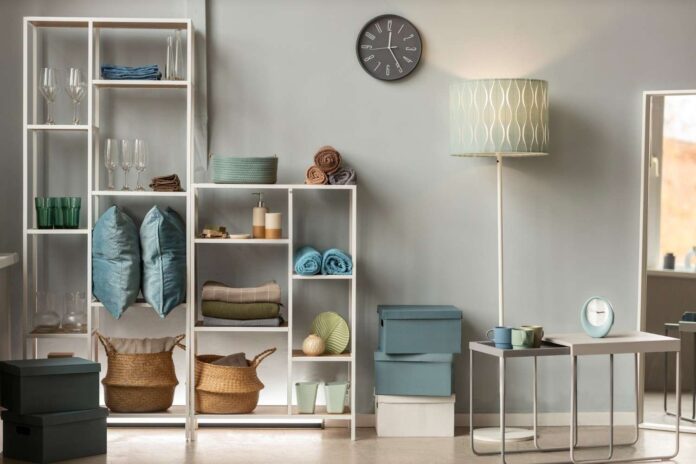
4. Sage Green and Beige
Nature-inspired colors continue to dominate modern interior trends.
Sage green paired with beige creates:
- A calming environment
- Natural warmth
- Contemporary appeal
This combination is ideal for bedrooms, home offices, and reading corners.
Using Accent Colors Effectively
Modern homes often rely on neutral foundations with carefully selected accent colors.
Popular accent shades include:
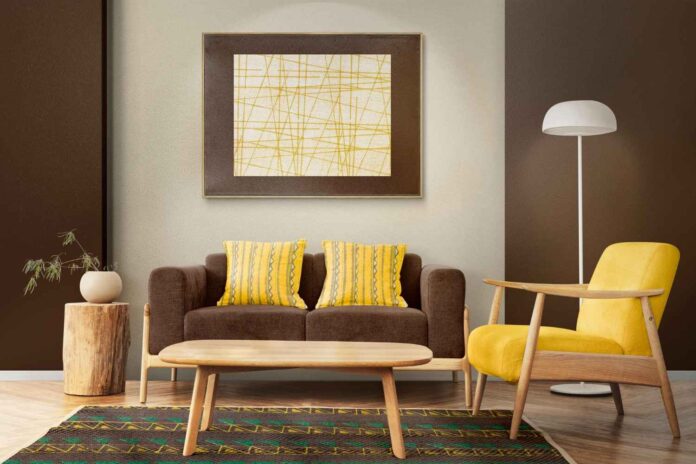
- Mustard yellow
- Emerald green
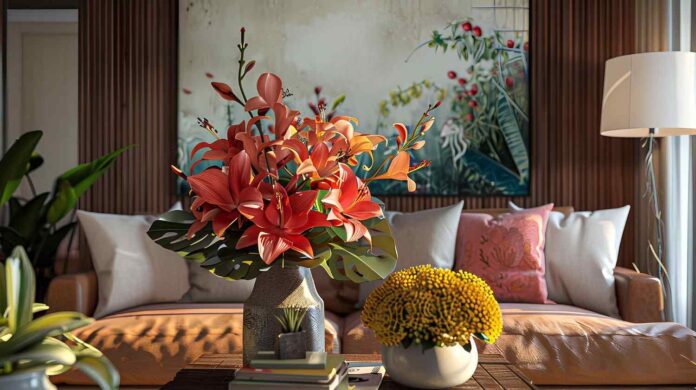
- Terracotta
- Charcoal black
- Deep blue
A common mistake is using too many accent colors. Limit yourself to one or two statement shades for a cleaner design.
Expert Insight: The 60-30-10 rule remains one of the easiest ways to balance colors. Use 60% dominant color, 30% secondary color, and 10% accent color.
Best Color Combinations by Room
Living Room
The living room should feel welcoming and versatile.
Recommended combinations:
- Gray and white
- Beige and cream
- Navy and white
- Taupe and charcoal
Bedroom
Bedrooms should promote relaxation.
Best choices include:
- Sage green and beige
- Soft blue and white
- Lavender and gray
- Warm cream and taupe
Kitchen
Modern kitchens often benefit from bright and fresh colors.
Popular combinations:
- White and wood tones
- Gray and black
- Navy and gold
- White and sage green
Bathroom
Bathrooms feel more luxurious with calming tones.
Consider:
- White and gray
- Beige and ivory
- Blue and white
| Room | Recommended Color Pair |
| Living Room | Gray & White |
| Bedroom | Sage Green & Beige |
| Kitchen | White & Wood |
| Bathroom | White & Gray |
How Lighting Affects Interior Colors
Lighting plays a crucial role in how colors appear.
Natural Light
Rooms with abundant sunlight can handle darker colors more effectively.
Artificial Light
Warm lighting enhances beige, cream, and earth tones, while cool lighting complements gray and blue shades.
Always test paint samples at different times of the day before making a final decision.
Pro Tip: Paint colors often appear darker on walls than they do on small sample cards.
Common Color Mistakes to Avoid
Avoid these decorating mistakes:
- Using too many bold colors
- Ignoring room lighting
- Choosing trendy colors without considering longevity
- Forgetting color consistency throughout the home
- Overusing dark colors in small spaces
In practice, modern homes look best when the color palette flows naturally from one room to another.
Creating a Cohesive Modern Home
To achieve a cohesive look:
- Choose a primary neutral color.
- Select one secondary shade.
- Add one accent color.
- Repeat these colors throughout the home.
- Use accessories and artwork to reinforce the palette.
This strategy creates visual harmony without making every room look identical.
Frequently Asked Questions
1. What is the best color combination for a modern home?
White and gray remain among the most popular modern color combinations because they create a clean and timeless appearance.
2. Which colors make a room look bigger?
Light colors such as white, cream, beige, and soft gray help create the illusion of more space.
3. Are dark colors suitable for modern interiors?
Yes. Dark colors can add depth and sophistication when balanced with lighter shades and proper lighting.
4. How many colors should I use in one room?
Most interior designers recommend using three primary colors following the 60-30-10 design rule.
5. What color trends are popular in modern homes?
Sage green, warm beige, navy blue, charcoal gray, and earthy neutrals continue to be popular choices.
Choosing the right interior color combinations for modern homes can completely transform your living environment. Whether you prefer minimalist neutrals, earthy tones, or bold accents, the key is maintaining balance and consistency throughout your home.
Ready to refresh your space? Start with one room, experiment with modern color combinations, and create a home that feels stylish, welcoming, and uniquely yours.